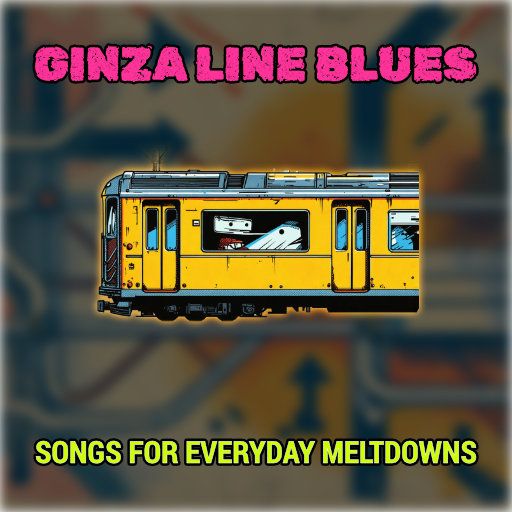
When the Train Stops for Nothing: Acoustic Blues Meets Tokyo Transit Horror
From morning sardine-can to silent deadly weapon—discover how we turned the universal nightmare of packed subway flatulence into an acoustic blues/slushwave masterpiece of urban satire.
Why This Crisis?
Anyone who's experienced rush hour on Tokyo's subway system knows the reality: you're not just close to strangers—you're compressed into them. Personal space becomes a forgotten luxury. You can't move your arms, can't turn around, can barely breathe. It's humanity at its most concentrated, most uncomfortable, most vulnerable to the cruelest of biological betrayals.
Ginza Line Blues is about that moment when someone—identity unknown, motive unknowable—drops a silent, deadly fart in a sardine-packed train car. There's no escape. The doors won't open for another three minutes. A thousand souls share one horrifying realization: we're all trapped with this toxic cloud, and no one's admitting to anything.
This isn't just about flatulence (though it absolutely is). It's about powerlessness in modern urban life. You're packed into a metal box at 7 AM, already exhausted, already dreading the day, and then someone makes it worse in the most primal, undeniable way. The Ginza Line becomes purgatory. The blues tradition has sung about heartbreak, poverty, and injustice. It's time to add "silent but deadly on public transit" to that list.
The Acoustic Blues / Slushwave Formula
When approaching the ultimate transit nightmare, we needed a genre combination that could hold both genuine suffering and absurdist comedy:
1. Acoustic Blues Foundation
Blues music was born from suffering—real, lived hardship expressed through 12-bar progressions and soul-deep vocals. At 76 BPM in D minor, this track follows that tradition: slow, mournful, genuine. The male country-style vocals deliver lines like "Trapped inside this metal box, through sunshine or through rain" with the gravitas of someone who's been there. The acoustic guitar provides traditional blues backbone—simple, direct, honest. This isn't parody; it's the blues applied to modern urban suffering.
2. Slushwave Dreamscape
Slushwave brings hazy, disoriented textures—like being stuck in a fever dream you can't wake from. Synth pads float over the blues guitar, creating that surreal quality of being trapped in an inescapable moment. Time slows down. The walls close in. The toxic cloud lingers in suspended animation. Slushwave captures the dissociative state of enduring something so absurd you can barely process it as real. You're there, but you're also floating above yourself, watching this nightmare unfold.
3. D Minor at 76 BPM: The Pace of Suffering
D minor is the key of solemnity and sorrow. At 76 BPM, every detail lands with weight. This isn't rushed; it's the speed at which you feel each second stretch when you're trapped in that train car. The slow tempo mirrors the excruciating wait for the doors to open, for escape, for sweet release. It's the musical equivalent of time crawling when you desperately want it to sprint.
4. Male Country-Style Vocal as Blues Narrator
The vocal performance is crucial: it treats the crisis with complete sincerity. There's no wink, no camp—just a man singing the blues about urban suffering. "A sudden stench, a toxic cloud, it hit us like a wall" is delivered with the same emotional weight as any classic blues lament. The country influence adds storytelling tradition—this is a tale being passed down, a legend of the Ginza Line. The straightforward delivery makes the absurdity funnier; he's earnestly singing about a fart.
The Songwriting Structure
The track follows classic blues structure, building tension toward the punchline reveal:
Verse 1: Setting the Scene
"Sunrise paints the Tokyo sky, another day begins / Sardine can on steel wheels, the Ginza Line pulls in." The opening establishes the routine horror of rush hour—the push and shove, the human tide, faces lost in morning gloom. It's already miserable before anything goes wrong. The imagery is specific (Tokyo, Ginza Line, salaryman) but the feeling is universal to anyone who's survived packed public transit.
Chorus: The Blues Refrain
"Oh, the Ginza Line blues, a thousand souls in pain / Trapped inside this metal box, through sunshine or through rain." The chorus establishes the blues framework—this is suffering worth singing about. Then comes the punchline: "But nothing could prepare us for the horror that would start / The Ginza Line blues, brought on by a silent, deadly fart." The juxtaposition of traditional blues language ("souls in pain," "horror") with "silent, deadly fart" is comedy gold. It's treated with such seriousness that the absurdity amplifies.
Verse 2: The Horror Unfolds
"A sudden stench, a toxic cloud, it hit us like a wall / A silent killer, unseen foe, it conquered one and all." The language escalates—this isn't just a bad smell; it's a military invasion. "From salaryman to schoolgirl shy, a collective gasp and choke / Heads began to turn and spin, no word was ever spoke." The detail is visceral: the gasp, the spinning heads, the stunned silence. Everyone's experiencing the same nightmare, and no one's saying anything. It's the shared trauma of public flatulence.
Verse 3: The Mystery
"Eyes watered, noses burned, a grimace on each face / Who was the culprit, dark and deep, in this sardine-packed space?" This verse captures the universal question: who did this? But no one dares point fingers. The anonymity of packed trains protects the guilty. "Just the rattling of the train, and that foul air all around"—mechanical indifference meets biological warfare.
Final Verse: The Aftermath
"Finally the doors hissed open, a blessed, sweet release / But the memory of that morning, it will never find its peace." The doors opening becomes divine intervention. But trauma lingers: "On the Ginza Line, my friends, where legends can be made / Or where a silent, smelly bomb, leaves everyone afraid." It ends on the blues tradition of cautionary tale—beware the Ginza Line, where horrors lurk.
Why This Crisis Matters
Ginza Line Blues speaks to the vulnerability and indignity of modern urban life. We spend hours packed into public transit, surrendering control, enduring proximity to strangers. We're at the mercy of infrastructure, schedules, and—apparently—other people's digestive systems.
The track treats this with the respect it doesn't deserve, which is exactly why it works. The blues is about giving voice to suffering. This suffering is absurd, embarrassing, and viscerally relatable. If you've ever been trapped on packed public transit with bad smells, bad air, or bad timing, this is your anthem. The silent, deadly fart is just the extreme manifestation of every indignity public transit inflicts.
It's also about collective trauma bonding. Everyone in that train car shared an experience they'll never forget and will never discuss. That's modern urban life: enduring private nightmares in public silence.
The AI Discussion
Ginza Line Blues was created using AI-assisted vocal generation (male country singer voice), instrumental production, and arrangement tools. The acoustic blues guitar, slushwave synth pads, and vocal performance were all generated and then arranged into this slow-burn crisis anthem.
We're transparent because the absurdity is the point. An AI singing earnest blues about Tokyo subway flatulence highlights how AI can explore any subject with sincerity. There's no human ego stopping this from existing. No label exec saying "we can't release a song about farts on the Ginza Line." AI enables ridiculous premises to be executed with full musical legitimacy.
The result is a track that shouldn't exist but absolutely had to: genuine acoustic blues about the silent deadly fart crisis.
Join the Crisis
We invite you to embrace your transit trauma:
- Ginza Line Horror Stories: Share your worst packed-train smell experiences with the track as soundtrack. TikTok tag: #GinzaLineBlues
- "The Culprit Was You" Challenge: Film yourself looking suspicious on public transit while the chorus plays. Own your crimes.
- Transit Trauma Playlist: Create a playlist of songs about terrible commutes. Add this track. Commiserate collectively.
- Karaoke Confession: Sing this at karaoke and dedicate it to everyone you've ever wronged on public transit.
The power of this crisis is its shameful universality. If you've used public transit, you've lived adjacent to this nightmare. Share the trauma.
Why It Works
Ginza Line Blues succeeds because:
- Genre Mashup Mirrors Experience: Acoustic blues captures genuine suffering; slushwave adds surreal trapped-in-a-nightmare quality
- Straight-Faced Satire Amplifies Absurdity: Treating flatulence with blues gravitas makes it funnier and somehow more relatable
- Universal Transit Nightmare: Sardine-packed trains + bad smells = global phenomenon; Tokyo specificity makes it concrete
- Punchline Structure Works: Building tension through blues verses, then revealing "silent, deadly fart" as the horror is perfect comedy timing
- Genuine Production Quality: This isn't a joke song—it's a real blues track about a ridiculous crisis, which makes it better
This isn't novelty music. It's legitimate acoustic blues about a ridiculous-but-real urban nightmare. The Ginza Line deserves its own blues tradition, and someone's got to start it.
When the Machine Whispers: Trip-Hop Meets Existential Tech Anxiety
From morning screen glow to digital dawn—discover how we turned the slow creep of automation and AI obsolescence into an atmospheric trip-hop meditation on human purpose.
When the Screen Goes Dark: Acoustic Folk Meets Navigation Anxiety
From sunrise optimism to digital dependency crisis—discover how we turned dead phone batteries and GPS failure into an acoustic folk/post-rock meditation on being lost in the modern world.