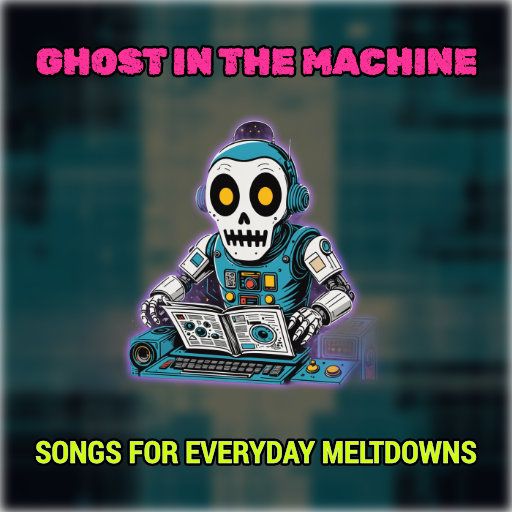
Ghost in the Machine
Atmospheric trip-hop about human obsolescence, algorithmic takeover, and the twilight hour of meaningful work in an automated world.
Quick Facts
| Attribute | Details |
|---|---|
| Genre | Trip-hop |
| Theme | Tech Failures | Human obsolescence and algorithmic takeover anxiety |
| Mood | Atmospheric trip-hop with haunting downtempo intimacy |
| Best For | Contemplating automation's cold embrace and meaningful work's twilight |
| Duration | 4:24 |
| Key/BPM | Fm / 88 BPM |
| Vocalist | Female |
| Instrumentation | Reverb-soaked synths with subtle breakbeats and cinematic strings |
The Cold Digital Sunrise
You know that metallic whisper—the one you hear when algorithms learn faster than you can adapt, when efficiency becomes the only anthem, when your morning screen glow feels harsh and cold. This track is for the twilight hour of meaningful work, when human hands falter and you wonder: will there be a future for a human in this place?
The Sound
Ghost in the Machine is atmospheric trip-hop at its finest: slow, haunting, deeply textured. Female vocals drift over downtempo beats at 88 BPM in F minor, creating a sonic landscape that feels both intimate and eerily detached. The production is lush with reverb-soaked synths, subtle breakbeats, and cinematic strings that mirror the encroaching presence of automation—beautiful, efficient, and just slightly unsettling.
This isn't protest music. It's the sound of sincere tech anxiety, thoughtfully framed. The verses pose genuine questions about purpose and spirit while algorithms hum in the background. The chorus becomes a mantra of existential dread: "Oh, ghost in the machine, are you coming for my soul?" It's too sincere to be satire, too atmospheric to be rage—just honest unease dressed in trip-hop elegance.
Why It Works
The genre choice mirrors the crisis: trip-hop's slow, meticulous production reflects how automation creeps in gradually, replacing one human task at a time. The cinematic melancholy—lush strings, reverb-soaked vocals, orchestral elements—makes this more than sudden disaster; it's the slow realization that your skills might be obsolete. The F minor key and 88 BPM create a meditative space for contemplating "if thought becomes a circuit, and emotion just a code / What's left for us to carry, on this ever-changing road?"