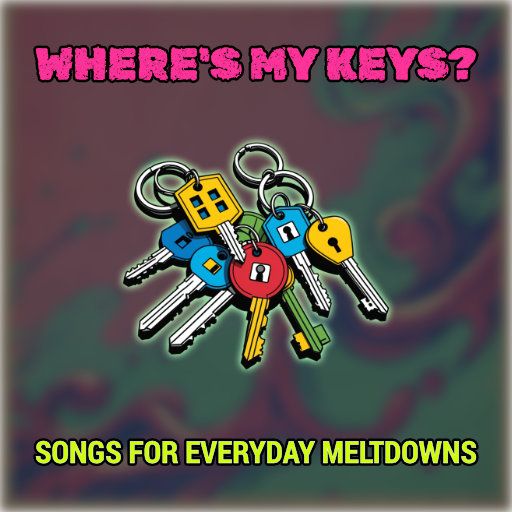
Where's My Keys: The Story Behind the Search
From frantic searching to tempo acceleration—discover how we turned the universal panic of lost keys into an acoustic pop rock anthem about being human.
Why This Crisis?
Losing your keys is a uniquely modern form of insanity. You know they're somewhere. They have to be somewhere. You just saw them. So you start searching: table, floor, bedroom, drawer, driveway, car. Then you get creative: pockets, bag, basement, trash, roof, backyard. You've checked places keys could never logically be, but you check anyway because panic makes you irrational.
And then—the crushing revelation—they're exactly where you started. Right in front of you. They've been there the entire time, watching you spiral into madness. This isn't about keys. It's about the human brain's spectacular ability to miss the obvious while overcomplicating everything else.
The Acoustic Pop Rock Indie Rock Formula
We chose acoustic pop rock with an indie rock edge because this crisis requires three things: urgency (pop rock), rawness (indie rock), and organic panic (acoustic foundation). The variable tempo from 79 to 139 BPM was essential—it mirrors the psychological escalation of the search itself.
You start methodical. Low tempo, checking the obvious places. Then you realize time is passing. Tempo increases. You're rechecking places you already checked. Tempo climbs higher. By the time you're looking in the trash and on the roof, you're at full speed, operating on pure adrenaline and denial. The music had to reflect that acceleration from calm to chaos.
The acoustic guitars keep everything grounded and immediate. This isn't overproduced frustration—it's raw, unfiltered panic. The pop rock production ensures the hooks hit hard (because this is your story too), while the indie rock aesthetic allows for the explicit "Where the fuck are my keys?" to land naturally instead of feeling forced.
The Songwriting Structure
Verse 1 establishes the systematic search: logical places first. "They're not on the table / They're not on the floor / They're not in the bedroom / They're not in the drawer." It's organized, methodical. You're still confident you'll find them.
Chorus delivers the painful truth: "And I find them where I started / They're in front of me." The reveal comes early because anyone who's lost their keys knows exactly how this ends. The suspense isn't if you'll find them in an obvious spot—it's watching yourself fail to see them anyway.
Verse 2 escalates to absurdity: basement, trash, roof, backyard. You're no longer thinking rationally. You're checking impossible locations because you've exhausted the possible ones. The tempo has climbed, your brain has short-circuited, and you're committed to the chaos.
Bridge is the moment of self-awareness: "And I know I've said it once / But this time I mean it / How could I be so dumb?" You've lost your keys before. You'll lose them again. You know this about yourself, which makes it worse.
Final Chorus repeats the revelation, but now it's tinged with resignation. Of course they were right there. They're always right there.
Why This Crisis Matters
"Where's My Keys" is about the gap between how we think we operate and how we actually function. We imagine ourselves as logical, methodical people who keep track of important things. Then we spend twenty minutes searching for keys that are on the counter, in plain sight, exactly where we left them.
The tempo acceleration captures something true about human panic: we don't spiral gradually, we accelerate. One moment you're calmly checking the drawer, the next you're standing on a chair looking on top of the refrigerator. The variable BPM makes the listener feel that descent into irrationality.
The explicit language serves the crisis. When you finally find your keys right where you started, after checking the roof and the backyard, "Where the fuck are my keys?" is exactly what you say. We chose not to censor it because the catharsis requires it. This is the moment of reckoning with your own scattered brain.
The AI Discussion
"Where's My Keys" was composed using AI-assisted tools for instrumentation, tempo programming, and arrangement. The young male vocal was generated using AI vocal synthesis, then processed to capture the escalating desperation required by the tempo shifts. We programmed the tempo acceleration manually to match the psychological arc of the search—starting at 79 BPM (methodical) and climbing to 139 BPM (full panic).
The acoustic/pop rock/indie rock blend required careful layering: keeping the acoustic guitars prominent while building pop rock hooks and maintaining the raw indie rock energy. AI helped us balance these elements, but the genre choices and tempo strategy came from understanding the crisis itself. Tools generate sound; humans decide why the sound matters.
The explicit lyrics were intentional, not accidental. We could have written "Where the heck are my keys?" but that's not what people say in this moment. AI generated options; we chose the one that felt true.
Join the Crisis
We invite you to embrace the search:
- TikTok Duet: Film yourself frantically searching for something while the tempo accelerates, then hold up the item with a defeated expression when the chorus hits
- Karaoke Challenge: Perform this at maximum frustration energy, pointing to increasingly absurd locations during Verse 2
- Lost and Found Memes: Create content about things you found "right where you started" (phone, wallet, glasses already on your face)
- Tempo Acceleration Videos: Use the BPM shifts to create comedy timing—slow searching → fast searching → defeated stillness
This works because everyone has been that person standing exactly where they started, holding the keys that were there the entire time.
Why It Works
- Variable Tempo Psychology: The 79-139 BPM acceleration makes you feel the escalating panic instead of just hearing about it
- Genre Authenticity: Acoustic pop rock indie rock captures urgent, raw, immediate frustration without overproduction
- Explicit Catharsis: "Where the fuck are my keys?" is the exact moment of recognition we all experience
- Absurd Specificity: Roof and backyard are real places people check when logic has left the building
- Universal Stupidity: We've all done this, which makes the bridge ("How could I be so dumb?") a shared confession
The crisis isn't losing your keys. It's realizing they were right in front of you, mocking you, the entire time.
Wi-Fi Dropped: When Hyperpop Meets Corporate Panic
From frozen faces to pixelated panic—discover how we fused hyperpop chaos with corporate synthwave to create the ultimate anthem for video call disconnection disasters.
Grocery Bag Ripped: Reggae Sincerity Meets Sidewalk Catastrophe
From market stall to scattered mess—discover how we used roots reggae's spiritual vocabulary and laid-back grooves to transform broken bag disaster into soulful crisis anthem.