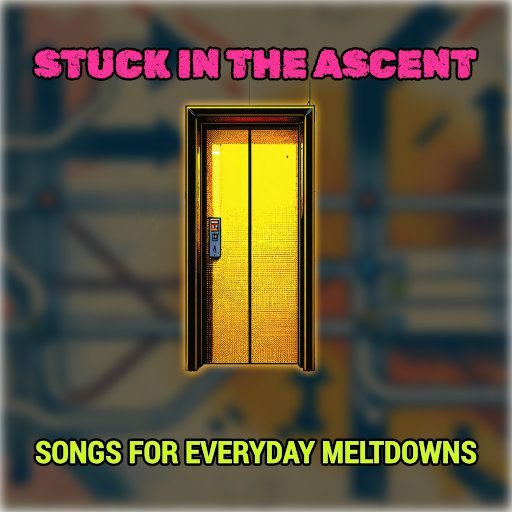
When the Elevator Stops at Every Floor: Disco Revival Meets Vertical Purgatory
From lobby urgency to penthouse anxiety—discover how we turned slow elevator ascents, endless stops, and jazzy muzak into a disco revival anthem about transit claustrophobia and time running out.
Why This Crisis?
You're running late. The meeting, the appointment, the deadline—it starts in three minutes, and you're still in the lobby. You press the elevator button with urgency. Ding. Doors open. You step in, press the button for your floor, and will the doors to close faster. They do. You exhale. Then the elevator stops. Second floor. Someone shuffles in slowly. Ding. Third floor. Two more people, chatting leisurely. Ding. Fourth floor. One person exits but three more enter, pressing buttons for floors you don't need. Every. Single. Floor.
Stuck in the Ascent is about elevator anxiety—not claustrophobia, but time claustrophobia. You're trapped in a metal box with time ticking down and no control over the pace. The elevator moves at its own rhythm, indifferent to your urgency. And to add insult to injury, smooth jazzy muzak plays—saxophone wails, bassline grooves, disco shimmer—as if this vertical purgatory is a nightclub. The soundtrack doesn't match the mood. You're panicking; the music is lounging. It's transit meltdown meets disco ball dream.
This isn't just about elevators—though lift anxiety is universal. It's about powerlessness in vertical transit, the maddening stop-and-start of shared infrastructure, and the absurdity of being serenaded by smooth jazz while your spirit spins restless. The mirrored walls reflect strangers and shadows. The doors open and close like breathing. And you stand there, watching floor numbers crawl by, waiting for the ascent to finally—finally—reach your destination.
The Disco Revival Formula
To capture elevator purgatory and the ironic elegance of muzak soundtracks, we turned to disco revival—a genre built on glamour, groove, and a touch of retro nostalgia:
1. Disco Revival Aesthetic
Disco revival isn't just throwback; it's elevated retro—lush production, sultry instrumentation, four-on-the-floor grooves. At 105 BPM in A minor, the track has momentum even when the elevator doesn't. The genre's shimmer and shine make the mundane (waiting in an elevator) feel cinematic. Mirrored walls, hazy reflections, strangers in close proximity—it's all very Studio 54, except the nightclub is a vertical metal box and the only dancing is your restless shifting from foot to foot.
2. Elevator Muzak as Musical Layer
The genius of this track is leaning into the muzak. Instead of fighting it, we embrace it: smooth saxophone, jazzy basslines, mellow strings. The music you'd actually hear in an elevator—except elevated (pun intended) into full disco production. This isn't parody; it's sincere disco that happens to soundtrack your meltdown. The muzak becomes the crisis. It's too smooth, too calm, too patient while you're losing your mind.
3. A Minor at 105 BPM: Groove vs. Stasis
A minor adds melancholy and tension beneath the disco sheen. At 105 BPM, the rhythm keeps moving—four-on-the-floor insists on forward motion—but the elevator keeps stopping. The tempo creates delicious irony: the music grooves, the elevator stalls. Your heart rate matches the BPM (elevated, anxious), but the ascent refuses to match the rhythm. The disconnect is the point.
4. Female Crooner Vocal as Glamorous Lament
The vocal performance walks a fine line: sincere crooner elegance with a hint of irony. "Oh, this elevator, a disco ball dream / Stopped at every floor, or so it would seem." It's delivered with lounge-singer smoothness, treating elevator anxiety with the gravitas of a torch song. The ambiguous tone—mild satire with crooner irony optional—means you can read it as genuine suffering or playful exaggeration. Both work. The glamour is real; the frustration is real. The juxtaposition is what makes it sing.
The Songwriting Structure
The track follows verse/chorus/break structure, building layers of elevator purgatory through repetition and variation:
Verse 1: The Setup
"Ding after ding, I'm losing my mind / Trapped in a box with the slowest of time." The opening is immediate: ding after ding establishes the stop-start rhythm. "Each floor a delay, a moment so slow / My patience is waning, where do I go?" The specificity grounds it—not abstract frustration, but the visceral experience of watching floor numbers tick by too slowly.
Chorus: The Crooner's Lament
"Oh, this elevator, a disco ball dream / Stopped at every floor, or so it would seem / With a crooner's lament and a bassline so deep / These endless ascents make my weary heart weep." The chorus is lounge-singer melodrama applied to elevator anxiety. "Disco ball dream" captures the mirrored walls and jazzy shimmer. "Crooner's lament" is self-aware—this is a crooner's lament, delivered with disco revival elegance. "Weary heart weep" treats the crisis with romantic gravitas. It's absurd and sincere simultaneously.
Verse 2: The Muzak Reality
"Mirrored walls gleam with a hazy reflection / Of strangers and shadows, a silent inspection." The elevator as social microcosm: you're packed in with strangers, studying reflections, avoiding eye contact. "The muzak is jazzy, a smooth, mellow sound / But my spirit is restless, spinning 'round and 'round." Here, the muzak becomes antagonist. It's too smooth for the moment. The contrast between "smooth, mellow sound" and "spirit is restless" is the entire crisis in two lines.
Bridge: The Penthouse Dream
"From the lobby's grand entrance to the penthouse in sight / Each pause is a lifetime, in fading daylight." The bridge expands the scope: lobby to penthouse, the full vertical journey. "A saxophone wails, a soft, mournful plea / For the express ascent, just for you and for me." The saxophone—quintessential elevator muzak—becomes a "mournful plea" for what you can't have: the express elevator, the uninterrupted ascent. It's romantic and ridiculous.
Final Verse: The Resignation
"Ding after ding, the journey's not done / But the rhythm of waiting has finally won." Resolution without arrival. You're still in the elevator, but you've surrendered to the pace. "Another floor passes, a sigh and a sway / Oh, this slow, steady climb, through the night and the day." The track ends mid-ascent, because that's the truth of elevator purgatory: sometimes you're just stuck, and all you can do is sway to the muzak.
Why This Crisis Matters
Stuck in the Ascent speaks to the universal experience of powerlessness in shared transit infrastructure. Elevators are communal by nature—you can't control who gets on, which buttons they press, how long they linger. You surrender your urgency to the collective pace. The crisis is minor but visceral: you're late, stressed, trapped in a box, and the elevator doesn't care.
The muzak layer adds meta-commentary: we soundtrack mundane spaces with smooth jazz and disco shimmer to make waiting pleasant, but when you're anxious, that soothing music becomes torture. The disconnect between soundtrack and emotion amplifies the frustration. You're not just stuck; you're stuck listening to a saxophone pretend everything is fine.
The track also taps into vertical transit anxiety specific to modern urban life. High-rise buildings mean elevator dependency. Rush hours mean packed lifts and endless stops. The higher the building, the longer the ascent, the more opportunities for delay. "Stuck in the Ascent" is the anthem for every person who's watched floor numbers crawl while time runs out.
The AI Discussion
Stuck in the Ascent was created using AI-assisted vocal generation (female crooner voice), instrumental production, and arrangement tools. The disco revival instrumentation—saxophone, bassline, strings, four-on-the-floor groove—and vocal performance were all generated and then arranged into this elevator anxiety anthem.
We're transparent because the irony is layered: a song about being trapped in automated infrastructure, created using automated music tools. But that's not a contradiction—it's thematic coherence. Elevators, like AI, are automated systems we depend on but can't control. Both move at their own pace, indifferent to our urgency. The AI doesn't care if you're late; the elevator doesn't care if you're stressed. The result is a track that embraces automation while critiquing our helplessness within automated systems.
Join the Crisis
We invite you to embrace your elevator anxiety:
- Elevator Horror Stories: Share your worst "stuck in an elevator" or "stopped at every floor" experiences with the track as soundtrack. TikTok tag: #StuckInTheAscent
- Muzak Meltdown Challenge: Film yourself in an elevator with smooth jazz playing, lip-syncing the chorus while visibly stressed. Embrace the disconnect.
- Floor Counter Game: Count how many floors your elevator stops at during one trip. Share your record. Commiserate collectively.
- Express Elevator Fantasy Playlist: Create a collection of songs about waiting, ascending, escaping. Add this track. Dream of direct routes.
The power of this crisis is its mundane universality. If you've ever been late and trapped in a slow elevator, you've lived this meltdown. Share the weary heart weep.
Why It Works
Stuck in the Ascent succeeds because:
- Genre Perfectly Captures Irony: Disco revival glamour applied to elevator anxiety creates delicious tension—music says "party," reality says "purgatory"
- Muzak as Crisis Amplifier: Leaning into the smooth jazz soundtrack makes frustration funnier and more relatable; the music should calm you but doesn't
- Ambiguous Tone Allows Multiple Readings: Mild satire with crooner irony means it works as genuine lament or playful exaggeration—listener chooses
- Universal Transit Nightmare: Anyone who's used elevators knows stop-and-start anxiety; high-rise living makes this inescapable
- Glamorous Suffering: Treating elevator delays with disco revival elegance elevates (again, pun intended) mundane frustration into art
This isn't a novelty track. It's a sincere disco revival anthem about the small, slow torture of vertical transit when time is running out. The ding after ding isn't just sound—it's a metronome of mounting panic.
The real crisis isn't the elevator stopping. It's realizing your entire schedule depends on a metal box that answers to no one, and you're still going to take it tomorrow.
When the Screen Goes Dark: Acoustic Folk Meets Navigation Anxiety
From sunrise optimism to digital dependency crisis—discover how we turned dead phone batteries and GPS failure into an acoustic folk/post-rock meditation on being lost in the modern world.
When the Morning Ritual Burns: Soul Ballad Meets Shoegaze Atmosphere
From comforting routine to phantom burn—discover how we turned the sincere pain of a coffee-scalded tongue into a soul ballad shoegaze meditation on comfort betrayed and mornings ruined.